When it comes to understanding substance abuse, knowing what a wet drug is can make a huge difference in grasping its dangers. So, what exactly does that term involve? Wet drugs typically refer to substances that are mixed with liquids, making them easier to consume and sometimes more potent than their dry counterparts. The effects of these drugs on both physical and mental health can be severe, and it’s crucial to have a clear understanding of what’s at stake.
In today’s discussion, we’re diving headfirst into the potential risks associated with wet drug usage. From the impacts on your health to the consequences for society at large, the stakes are incredibly high. Have you considered how these substances alter not just lives, but entire communities? The effects can ripple outwards, making awareness and education essential. Buckle up, because understanding the truth about wet drugs can empower you or someone you know to make informed choices.
What is a Wet Drug? Definition and Common Types Explained
When people mention a wet drug, they’re usually referring to substances that are mixed with alcohol or other liquids to create intoxicating concoctions. The term covers a range of different mixtures, often involving illegal drugs soaked or blended with another fluid, making them easier to consume. This practice isn’t just popular in parties but also presents some serious health concerns that are often overlooked.
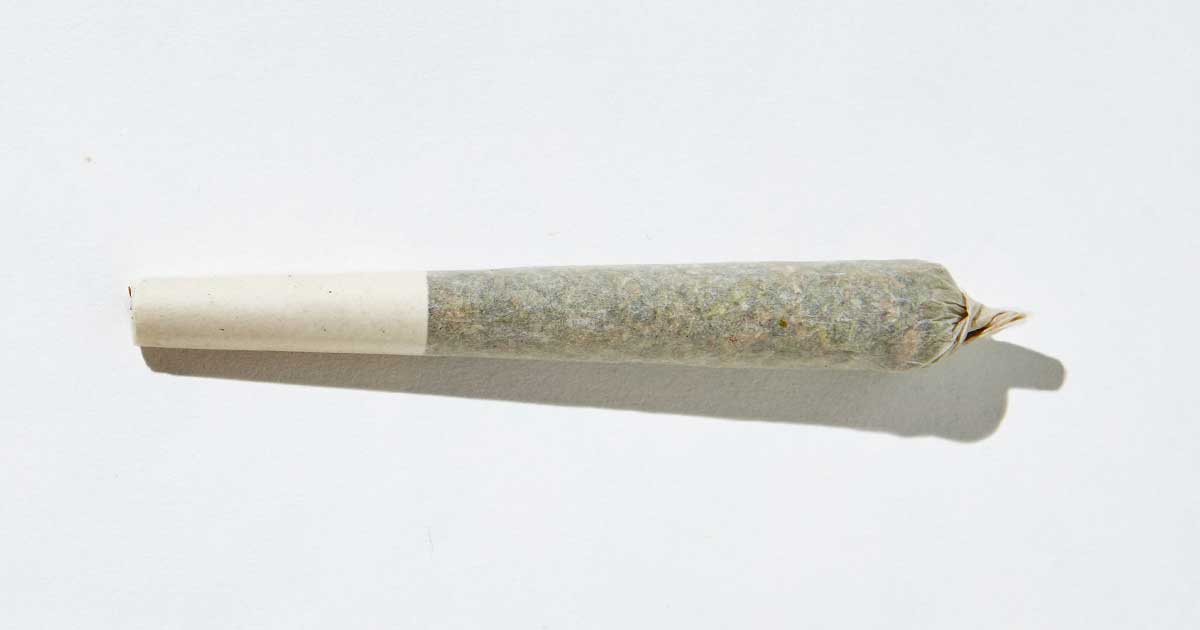
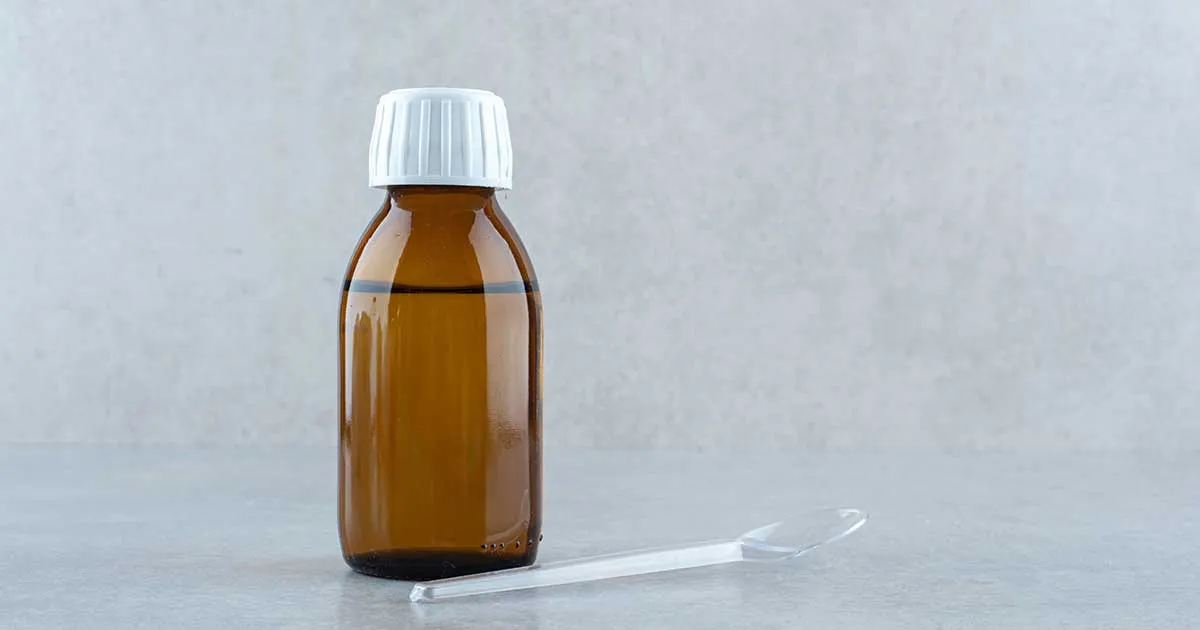
Common types of wet drugs include wet blunts and lean—with wet blunts being cigars or blunts soaked in alcohol and lean being a mix of cough syrup containing codeine and soda, usually enjoyed for its sedative effects. Have you heard of these before? They might sound casual, but they hold darker consequences than many can imagine.
What makes these wet drug types particularly dangerous is the potentiating effect of combining different substances. Using a wet drug can lead to erratic behaviors and increased health risks, which is why it’s essential to be educated about them. Wanna know a shocking statistic? Mixing drugs and alcohol increases the chances of overdose significantly!
- Wet Blunts: Cannabinoids infused with alcohol.
- Lean: A mix of prescription syrup with soft drinks.
- Other concoctions: Varied and often dangerous blends.
In a society where they often glamorize drug use, it’s vital for everyone, especially the younger generation, to understand what wet drugs are and their implications. Many think it’s just a good time; little do they know the effects can be life-altering. Want to learn more about how these substances can impact health? Keep reading!
Understanding the Prevalence of Wet Drug Usage Today
In today’s world, the prevalence of a wet drug and its usage is a growing concern. Have you noticed how easily accessible these substances have become? They’re not just a problem for certain communities; they’re impacting lives everywhere—and in ways we might not fully understand. The increase in popularity of wet drugs presents new challenges for society, ranging from health risks to social consequences.
Statistics show that wet drug use is on the rise, especially among younger populations. With social media and peer pressure playing a huge role, many may not realize they’re diving headfirst into a life-altering situation. How many times have you scrolled through social feeds only to see glamorized images of drug use? This extremely influential exposure can make the risks feel trivial, but the reality is stark. It’s crucial we shed light on these substances!
- Enhanced accessibility on college campuses
- Increased social acceptance in various circles
- The influence of popular culture and social media
Wet drugs aren’t just numbers on a chart; they affect individuals, families, and communities. Imagine your friend or loved one slipping into addiction without you even realizing it. Scary thought, right? We all play a part in how we talk about drug use and how we support those around us. Education, compassion, and awareness are key to addressing this growing problem. Let’s come together and tackle the understanding of what it means to use wet drugs and how we can work towards reducing its impact!
So, what’s next? We’ll explore the potential dangers of wet drugs in the following section—buckle up because the insights might surprise you! It’s time to face these issues head-on and start the conversation about the real effects of wet drug usage.
Potential Dangers of Wet Drugs: Health Risks and Effects
When we talk about a wet drug, it’s crucial to recognize that it doesn’t come without its share of potential dangers. What does that mean for your health? Simply put, the risks can be quite serious! From physical health issues to psychological effects, knowing what lies ahead can make a big difference in your approach to these substances.
One of the main health risks of wet drugs—often found in various forms of alcohol-infused products or substances—is their impact on your body’s vital functions. For instance, prolonged use can lead to liver damage, respiratory problems, and even heart disease! Can you imagine what that could mean for your long-term wellness? It’s definitely something to think about!
Additionally, wet drugs are notorious for their impact on mental health. Users can experience heightened anxiety, mood swings, and even paranoia. With these psychological effects, the line between fun and danger can quickly blur. Have you ever seen a friend make questionable decisions after using these substances? It happens more often than you might think!
In certain cases, wet drugs can lead to dangerous withdrawal symptoms, especially when usage is heavy or prolonged. This can entail everything from shaking and sweating to severe psychological distress, making it really tough for users to quit. So, what can be done to reduce these health risks? Awareness is key, as is seeking help if you or someone you know is struggling. Let’s work together to tackle these issues head-on!
In Summary
The potential dangers of wet drugs are far-reaching and should not be taken lightly. Understanding these health risks can empower you to make informed choices, whether for yourself or loved ones. Stay aware, stay informed, and we can navigate this complex topic together!
Signs of Wet Drug Abuse: Recognizing Critical Symptoms
Identifying the signs of wet drug abuse can be crucial for early intervention and treatment. So, what should you look out for? One of the primary indicators is a noticeable change in behavior. If someone you know is suddenly more withdrawn, anxious, or irritable, it might be a cause for concern. These shifts often stem from the psychological and physical effects of a wet drug, which can drastically alter a person’s mood and interpersonal dynamics.
Another warning sign is the physical aspect. Have you noticed unusual changes in someone’s appearance? Weight loss, poor hygiene, or lingering odors are clear signals. Moreover, you might spot specific symptoms like frequent nosebleeds, especially if they are using substances like wet drugs that are inhaled. Being aware of these signs can make all the difference in seeking help.
- Severe mood swings or emotional instability
- Unexplained financial problems or theft
- Dramatic changes in social circles
You might also notice behavioral changes in social interactions. Are they isolating themselves from friends and family? Social withdrawal is a common behavior among those struggling with addiction. It’s vital to pay attention to these signs, as they often precede more significant issues down the road. Remember, understanding these symptoms is the first step toward supporting someone you care about.
Lastly, keep an eye out for any risky behavior. Engaging in dangerous activities, driving under the influence, or a sudden interest in illegal activities can signal that someone is under the influence of a wet drug. This not only puts their life in jeopardy but also can endanger those around them. The impact of wet drug use stretches far beyond the individual! How can we best support our loved ones through this?

Treatment Options for Wet Drug Dependency and Recovery
When it comes to tackling wet drug dependency, it’s crucial to recognize there’s no ‘one-size-fits-all’ solution. Instead, various treatment options can help individuals reclaim their lives from the clutches of addiction. Whether it’s through therapy, medication, or support groups, the journey to recovery can be an empowering one. Have you considered what approach might work best for you or someone you care about?
One popular method for treating wet drug dependency includes behavioral therapies. These can involve individual or group counseling sessions aimed at changing harmful behaviors and thought patterns. By focusing on strategies for coping with cravings and triggers, these therapies offer a solid foundation for recovery. Feeling excited about the possibility of a fresh start? You’re not alone!
Another critical aspect of treatment often includes medication-assisted treatment (MAT). Here, medical professionals prescribe drugs that can ease withdrawal symptoms and reduce cravings for those struggling with substances like alcohol or opioids. Isn’t it fascinating how the right combination of medication and therapy can create a better path to recovery?
Support groups, like Alcoholics Anonymous (AA) or Narcotics Anonymous (NA), play a vital role in recovery. These peer-led programs allow individuals to connect and share their experiences, making it easier to feel understood and supported during challenging times. Who wouldn’t appreciate having a community cheering them on as they navigate their journey?
- Behavioral therapies
- Medication-assisted treatment (MAT)
- Support groups like AA or NA
- Holistic approaches like yoga and meditation
- Outpatient and inpatient rehabilitation programs
Recovery from wet drug dependency is not just about quitting; it’s about building a healthier life. Integrating holistic approaches, like yoga and meditation, can bring mind and body into harmony. The blend of traditional methods and alternative therapies makes for a richer recovery experience. Ready to take the first step toward a brighter future?
Preventative Measures: Reducing the Risks of Wet Drug Use
When it comes to preventing the risks associated with a wet drug, knowledge is your best ally! Being proactive about understanding the dangers can significantly reduce harm, not just for yourself, but for those around you. So, what can you do to stay safe? Let’s break it down!
First off, education is key! By learning about what constitutes a wet drug and its potential impacts, you arm yourself with invaluable insights. Have you thought about how many people might not be aware of the risks? Sharing this kind of information can spark conversations and keep people informed. Remember, awareness can lead to healthier choices!
Community Support is Essential
Building a community of support goes a long way towards reducing the risks of wet drug use. Engaging in local groups or organizations focused on addiction and recovery shines a light on shared experiences and coping strategies. Feeling alone is often a catalyst for substance use, so why not replace that with a strong social network? This can foster emotional well-being and provide resources when needed.
Adopt Healthy Coping Mechanisms
Exploring healthier coping strategies can also substantially decrease the temptation to turn to wet drugs. Activities like physical exercise, meditation, and arts and crafts offer amazing alternatives for stress relief. Which activities do you enjoy? Finding joy in hobbies can replace the void that substances may fill, making your overall mental health stronger.
Professional Guidance Matters
And let’s not forget about seeking professional help! Connecting with therapists or counselors who specialize in addiction can provide tailored guidance and resources that steer you in the right direction. Why navigate these waters alone when experts can help guide the way? The journey may be tough, but every step you take towards awareness and prevention is a victory!
- Educate yourself and others about wet drugs
- Build a supportive community
- Adopt healthy coping mechanisms
- Seek professional guidance
Final Thoughts: What is a Wet Drug?
Understanding what a wet drug truly is can be a pivotal step in making informed decisions about substance use. This article has unveiled the dangers and effects of wet drugs, shedding light on their impact on health and society. It’s crucial to recognize the signs of wet drug abuse and seek help when necessary. Remember, knowledge is power!
The good news is that there are treatment options available for those grappling with dependency. Taking proactive steps can lead to recovery and a brighter future. Have you considered the importance of preventative measures? Staying informed can significantly reduce risks associated with wet drug use and promote a healthier lifestyle. Let’s keep the conversation going and support each other in navigating these challenging topics!