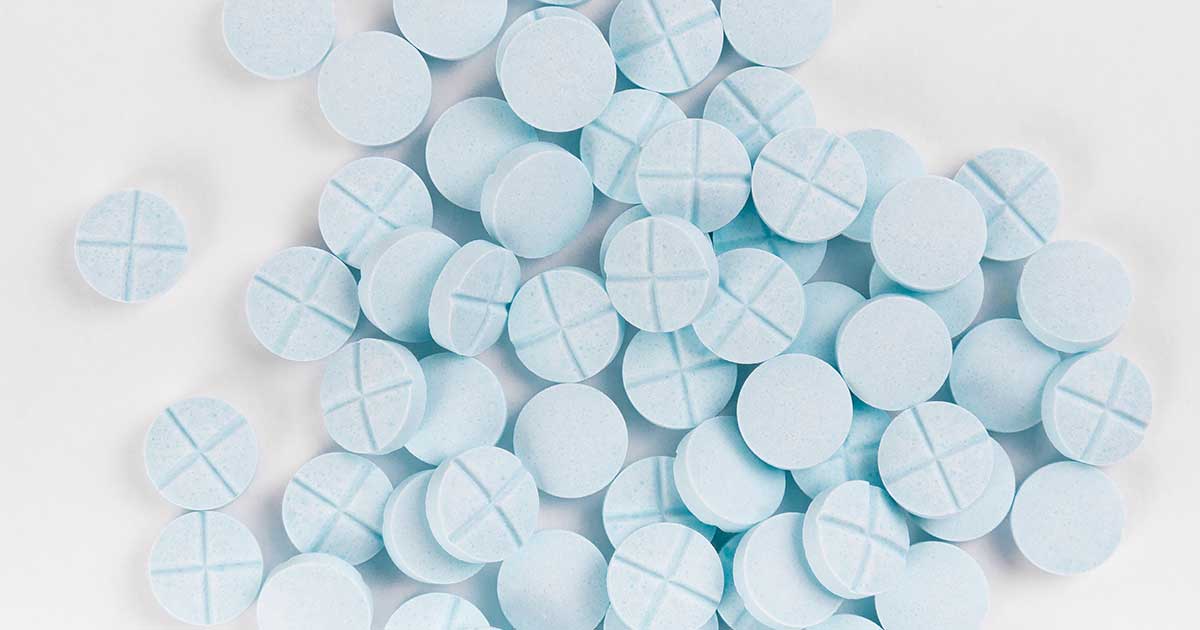
T’s and Blues: Abuse of Pentazocine and Tripelennamine Explained
When we talk about the term Blues, it often conjures feelings of sadness or melancholy. But did you know it also has a connection to the misuse of substances like Pentazocine and Tripelennamine? In this article, we’ll dive into what exactly these two drugs are, how they relate to the concept of Blues, and the alarming consequences of their abuse. It’s a critical issue that many may not fully understand, but it’s definitely worth a closer look!
The use of Pentazocine and Tripelennamine may seem like just another topic in the world of drugs, but the impact they have when abused is all too real. We’re going to break down the risks associated with these substances, giving you the facts you need to have an informed conversation. If you’ve ever been confused by the terminology or the impact these drugs can have on mental health, you’re not alone! Let’s unravel these complex issues together and shed some light on a topic that deserves our attention.

Real Healing
Happens Here
Mental Health &
Addiction Treatment
Understanding Pentazocine and Tripelennamine Abuse Risks
Understanding the abuse risks of Pentazocine and Tripelennamine, often referred to as ‘Blues’, is crucial for anyone interested in mental health and recovery. These medications, while sometimes prescribed for legitimate medical reasons, can lead to dangerous levels of dependency when misused. Have you heard about the euphoric effects? It’s the reason many people take them, but the aftermath can be really troubling!
Pentazocine, classified as a narcotic, can create a sense of euphoria, making it appealing to those looking to escape reality. On the other hand, Tripelennamine is an antihistamine that can produce sedation and feelings of relaxation when taken in higher doses. The combination of these two can be particularly risky, as users may not realize just how addictive they can become. Both can lead to severe health complications, including respiratory depression and even overdose.
The risk of dependency grows as individuals often increase their dosage in an attempt to replicate that initial high. Tolerance builds over time, and what once offered a temporary escape could lead to devastating consequences. It’s essential to understand these dangers, especially since many users might underestimate the potency of these substances. Are you feeling confused or overwhelmed by the risks? You’re certainly not alone!
Drug and Alcohol Addiction Can Be Defeated.
Start Your Path to Recovery.


HEAL Behavioral Health’s Luxury Addiction Treatment Center


- The euphoric effects can lead to misuse and addiction.
- Health complications may include respiratory issues and cardiovascular problems.
- Withdrawal symptoms can be extremely uncomfortable and may require treatment.
Recognizing the signs of misuse is key to stopping the cycle before it spirals out of control. The sooner individuals understand the potential harms of ‘Blues’, the more likely they can seek help and recovery. Let’s empower each other to spread awareness and support those who might be struggling!

The Impact of ‘Blues’ on Mental Health and Recovery
When we talk about the ‘Blues‘, we’re not just referring to sad music or rainy days. This term closely relates to mental health, especially in the context of abuse of Pentazocine and Tripelennamine. These substances can lead to a rollercoaster of emotions that affect not just the user but their loved ones as well. It’s crucial to recognize how these drugs impact our mental well-being to foster effective recovery practices.
Feeling down or ‘blue’ can be a common response to many situations, but when it’s compounded by substance use, it transforms into a serious mental health concern. Have you ever felt the weight of those blues in a way that feels unshakeable? The misuse of Blues can lead to, and amplify, feelings of anxiety, depression, and isolation. This often creates a vicious cycle where individuals reach for the drug not just to numb the pain, but to escape the very emotions that overwhelm them.
The impact doesn’t stop at emotional states; it can affect cognitive functions as well. Users may find it hard to concentrate, think clearly, or even make decisions. This mental fog can disrupt daily life, affecting work, relationships, and overall happiness. It’s essential to understand that while Blues may seem like a temporary crutch, it can lead to long-term psychological damage. It’s a pattern that can trap individuals in a cycle of despair.
Seeking support is key in breaking free from this cycle. The road to recovery isn’t just about quitting drugs; it also involves addressing the emotional turmoil that come with them. Whether through therapy, support groups, or counseling, there are plenty of avenues available to help manage the mental fallout from substance use. Have you thought about what steps you might take to address the impact of Blues on your mental health?
- Emotional instability and mood swings
- Cognitive impairments impacting daily life
- Risk of developing long-term mental health disorders
Recognizing Symptoms of Pentazocine and Tripelennamine Abuse
Recognizing the symptoms of pentazocine and tripelennamine abuse is crucial for anyone concerned about themselves or a loved one. These substances can lead down a slippery slope, marked by alarming signs that can’t be ignored. Are you noticing changes in behavior, mood swings, or maybe even physical signs? Understanding these symptoms can be the first step towards addressing a serious issue.

Overcome Drug and Alcohol Addiction
Embark on Your Journey Towards Recovery Today.
One of the initial symptoms that raise eyebrows is the intense euphoria or ‘high’ which can morph into restlessness or irritability. For many users, dependence leads to constant cravings for the ‘blues’ they provide. Other physical signs include fatigue, nausea, or even difficulty in coordination. It’s almost like your body is screaming for help, yet it’s wrapped in a fog that’s hard to escape.
- Mood Swings: Extreme highs followed by severe lows.
- Withdrawal Symptoms: Feeling jittery, anxious, or sick when not using.
- Neglecting Responsibilities: Deterioration in work or home life due to substance use.
When individuals struggle with the blues that come from pentazocine and tripelennamine, it may become painfully clear that they are trapped in a cycle of abuse. They might spend excessive time using or recovering from the drug, which interrupts daily activities. If you see someone isolating themselves or becoming secretive, it might be time for a real talk. Have you noticed these patterns?
Being aware of these symptoms not only helps in recognizing abuse but also plays a monumental role in prevention and recovery. If you or someone you care about is facing these issues, it’s important to act swiftly. Remember, acknowledging the problem is the first courageous step to breaking free from the chains of addiction.
Treatment Options for Pentazocine and Tripelennamine Addiction
When it comes to tackling addiction to Pentazocine and Tripelennamine, it’s crucial to know the treatment options available. Acknowledging that you’re struggling with the blues can be the first step towards recovery! There’s a solid lineup of therapies that cater to different needs and preferences.
One of the most effective approaches is cognitive-behavioral therapy (CBT). This method helps individuals recognize negative thought patterns and behaviors tied to substance use, enabling a shift towards healthier strategies. Have you ever thought about how just changing your mindset can influence your recovery journey?
Additionally, medication-assisted treatment (MAT) can play a pivotal role. Some professionals recommend specific medications that help ease withdrawal symptoms and reduce cravings. This can really make a difference, especially during those tough early days of quitting. Wouldn’t having that extra support feel comforting?
- Behavioral therapies like CBT and motivational interviewing
- Support groups and 12-step programs
- Medication-assisted treatment options
- Intensive outpatient programs (IOPs)
Don’t forget about support groups. Connecting with others who understand your battle can be invigorating! Sharing experiences, struggles, and victories not only provides encouragement but also decreases feelings of isolation. Plus, forming these connections is an excellent way to hold yourself accountable.
It’s also worth checking into intensive outpatient programs (IOPs). These programs offer a structured approach while giving you the flexibility to maintain your daily activities. It’s like having the best of both worlds! Can you imagine how productive you could be while still focusing on your recovery?

Preventive Measures Against Substance Abuse Disorders
Preventing substance abuse disorders like the misuse of Pentazocine and Tripelennamine, often referred to as ‘Blues’, is crucial for maintaining mental health and well-being. One of the best ways to steer clear of addiction is through education. Understanding the mechanisms of these drugs and their potential side effects can empower individuals to make informed choices. Did you know that being aware of the risks associated with substance use can significantly reduce the chances of addiction?
Creating a supportive environment for those at risk can also lead to positive outcomes. Encouraging open conversations about mental health and substance use gives people the chance to share their feelings and concerns. Who wouldn’t benefit from a little vulnerability and support? Having friends and family who are informed about the dangers of misuse can be a game changer.
Engaging in Healthy Activities
Engaging in healthy, fulfilling activities can also deter substance abuse. Hobbies and passions not only fill our time but also boost our self-esteem. If you’re feeling down, why not try picking up a new hobby or revisiting an old one? From painting to hiking or even joining a sports team, there are so many fun alternatives to consider! ️
Early Intervention and Support
Early intervention is critical. If you or a loved one show signs of experimenting with ‘Blues‘, addressing it promptly can prevent worsening conditions. Educational programs and community workshops focusing on substance abuse risks should be accessible to everyone. Are there any resources in your community that promote substance abuse awareness?
- Educate yourself and others about the risks of substance use.
- Create supportive environments for sharing feelings.
- Engage in healthy activities to boost self-esteem and mental health.
- Promote early intervention and accessible resources.
Support Resources for Individuals Facing Drug Addiction
Finding the right support when grappling with drug addiction, especially with substances like Pentazocine and Tripelennamine, is crucial. You’re not alone in this fight! Many resources are out there, ready to lend a helping hand. Whether you’re looking for professional help, community support, or just someone to talk to, there’s a wealth of options available.
First and foremost, consider reaching out to a local treatment center. These places are specially designed to offer rehabilitative care, counseling, and medical supervision tailored to your needs. Have you checked out what programs they offer? Individual and group therapy sessions can be super beneficial. Plus, being around others who understand your struggle can create a powerful support network!
Another amazing option is support groups, like Narcotics Anonymous (NA). These gatherings provide a safe space to share experiences, gain insights, and connect with individuals walking the same path. It’s all about understanding and motivating one another! Finding a group near you might just be the step you need to feel more connected and less isolated.
Don’t overlook the power of online resources! There are tons of websites and forums dedicated to discussing drug addiction and recovery, such as SAMHSA or the Substance Abuse and Mental Health Services Administration. They provide valuable information on treatments available, hotlines for immediate help, and the latest in research and recovery techniques. Have you ever thought about joining an online community? It can offer an additional layer of support.
Finally, let’s not forget about family and friends. Opening up to them about your struggles can help create a solid support system—one that’s often more powerful than we realize. Seeking professional help alongside the support from loved ones can amplify your chances of recovery. Remember, no one should have to tackle addiction alone!
Final Thoughts: T’s and Blues: Abuse of Pentazocine and Tripelennamine Explained
Understanding the connection between the blues and the abuse of Pentazocine and Tripelennamine is crucial for anyone facing these challenges. By breaking down the impacts of these substances on mental health, we can offer a clearer path toward recovery. The journey through substance abuse can be tough, but knowing what to look for and recognizing the signs is the first step toward healing. So, how are you feeling about this topic now?
This article has shed some light on the signs and treatment options available for those struggling with addiction. It’s super important to reach out for help or support if you or someone you know is dealing with substance abuse. Remember, you’re not alone in this fight! Resources are out there, and taking that first step could change everything. So, what are you waiting for? Reach out and take charge of your recovery journey!

Break Free from Drug and Alcohol Addiction
Begin Your Recovery Journey Now.
Reach Out To Us
Embark on the Road to Healing
Start Your Recovery
HEAL Behavioral Health’s Luxury Addiction Treatment Center